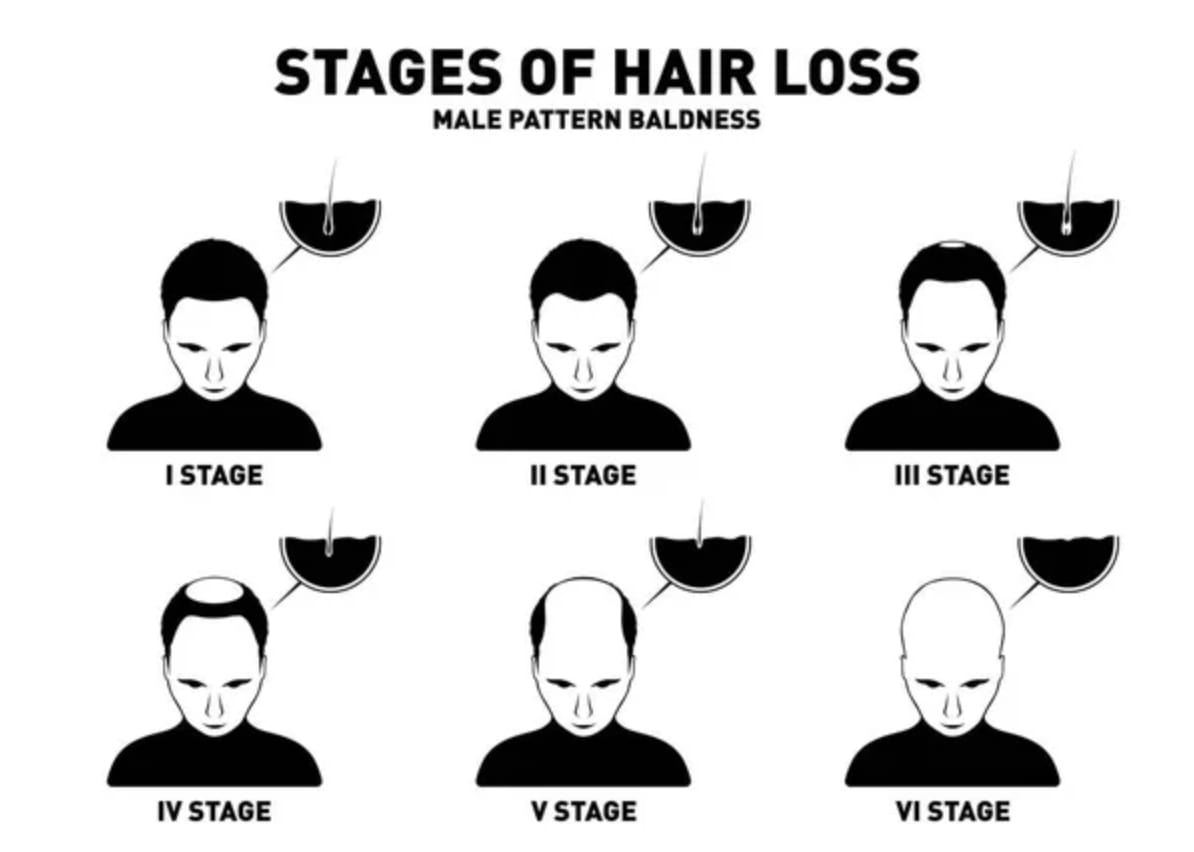
Understanding Hair Loss: Common Causes and Effective Solutions
Understanding hair loss is a crucial step to addressing this common issue that affects millions of people worldwide. Various factors contribute to hair loss, including genetic predisposition, hormonal changes, medical conditions, and even stress. Among the most prevalent causes is androgenetic alopecia, often referred to as male or female pattern baldness, which accounts for a significant percentage of hair loss cases. Additionally, telogen effluvium, a temporary condition triggered by stress or illness, can cause noticeable shedding. By recognizing the underlying causes, individuals can better navigate their options for effective resolution.
Fortunately, there are numerous effective solutions available to combat hair loss and promote regrowth.
- Topical treatments, such as minoxidil, have shown promising results in stimulating hair follicles.
- Prescription medications like finasteride can help slow down the progression of hair loss in men.
- For those seeking more permanent results, hair transplant surgery offers a viable option to restore hair density.
Natural Remedies for Thinning Hair: What Works?
Thinning hair can be a distressing experience for many, but there are various natural remedies that can help promote healthier hair growth. One effective approach involves the use of essential oils, such as rosemary and peppermint, which have been shown to stimulate blood circulation to the scalp. Regularly massaging these oils into the scalp not only feels soothing but also enhances follicle vitality. Additionally, incorporating a balanced diet rich in vitamins and minerals, particularly iron, zinc, and biotin, can significantly contribute to hair strength and regrowth.
Another well-regarded natural remedy for thinning hair is the application of aloe vera. Known for its soothing properties, aloe vera can nourish the scalp and reduce inflammation that may hinder hair growth. To use it effectively, apply fresh aloe vera gel directly to the scalp and leave it on for about 30 minutes before rinsing. Additionally, consider consuming foods high in omega-3 fatty acids, such as flaxseeds and walnuts, as they promote scalp health and may support hair density. By integrating these remedies into your routine, you can take proactive steps towards revitalizing your hair.
How to Choose the Right Products for Hair Restoration
Choosing the right products for hair restoration can significantly impact your journey to healthier hair. Start by identifying the specific issues you're facing, such as thinning hair, hair loss, or scalp conditions. Research products that target these concerns. Look for ingredients known to promote hair growth, such as biotin, minoxidil, and essential oils like rosemary and peppermint. Reading reviews from users with similar hair types and restoration goals can also provide valuable insights.
When selecting hair restoration products, consider performing a patch test to ensure you don't have an allergic reaction to the ingredients. Additionally, consult with a dermatologist or a hair care professional for personalized recommendations. Keep in mind that consistency is key; use the chosen products as directed and give them time to show results. You might even want to keep a journal to track your progress over time and make adjustments as necessary.