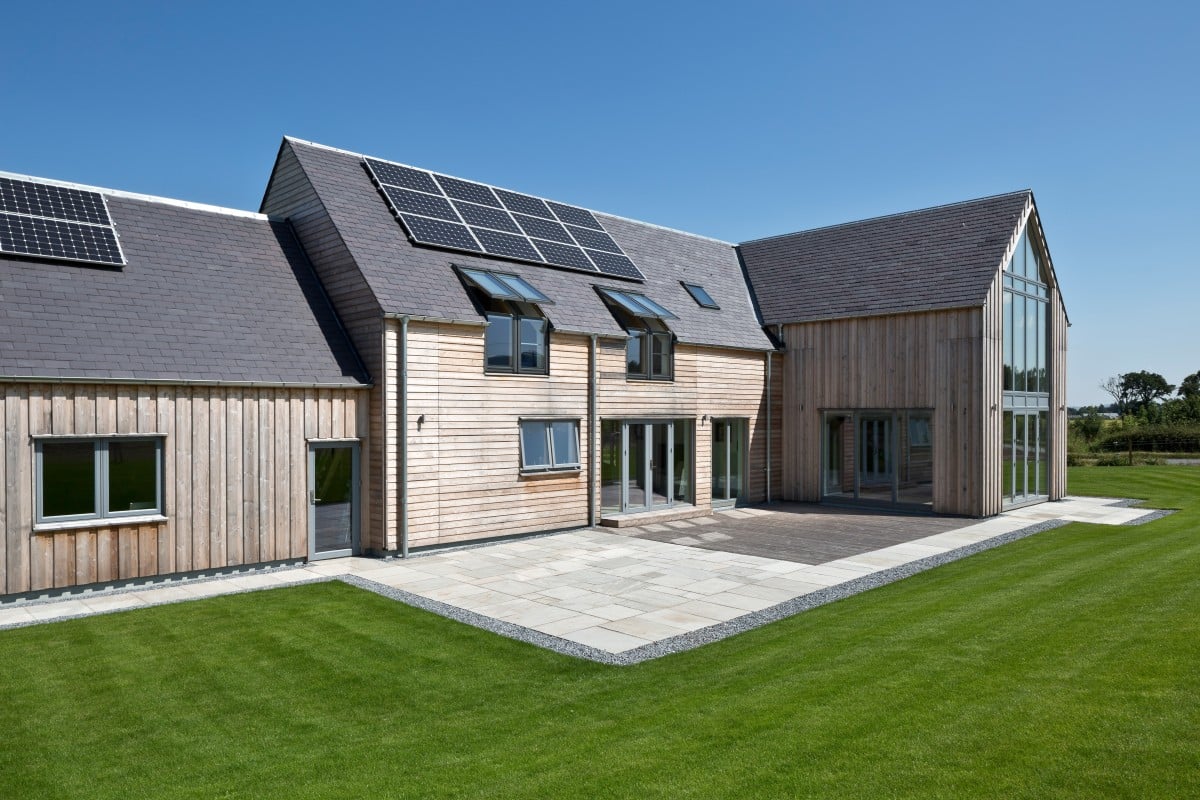
10 Simple Ways to Reduce Your Home's Energy Consumption
Reducing your home's energy consumption is not only beneficial for your wallet, but it also helps the environment. Here are 10 simple ways to get started:
- Upgrade to energy-efficient appliances that have the Energy Star label.
- Seal any drafts around doors and windows to prevent heated or cooled air from escaping.
- Utilize LED bulbs instead of traditional incandescent ones, as they use up to 75% less energy.
- Adjust your thermostat by just a few degrees; even slight changes can lead to significant energy savings over time.
- Unplug electronics when not in use, or use a power strip to easily turn them off.
In addition to these steps, consider implementing the following actions to further decrease energy usage:
- Use smart power strips that automatically cut power to devices in standby mode.
- Insulate your home adequately to maintain desired temperatures without excessive heating or cooling.
- Invest in renewable energy solutions, such as solar panels.
- Reduce water heater temperature to around 120°F to save both electricity and water.
- Perform regular maintenance on your HVAC system to ensure it runs efficiently.
How to Create a Sustainable Home: Tips for Energy Efficiency
Creating a sustainable home starts with energy efficiency, which not only reduces your carbon footprint but also saves you money on utility bills. Begin by conducting an energy audit to identify areas where energy is being wasted, such as drafts, inefficient appliances, or poor insulation. Consider upgrading to energy-efficient appliances that have the ENERGY STAR label, as these use significantly less energy. Additionally, switch to LED lighting, which consumes up to 75% less energy than traditional incandescent bulbs.
Another vital step in your journey towards a sustainable home is implementing renewable energy solutions. You may want to explore options such as installing solar panels or utilizing wind turbines if your location permits. Furthermore, consider improving your home’s insulation by using sustainable materials, which helps maintain temperature and reduces the demand for heating and cooling. For tips on efficient insulation, refer to ENERGY STAR's guidelines. By making these changes, you will contribute to a healthier planet while enhancing the comfort of your home.
What Are the Best Green Technologies for Your Home?
As concerns about climate change and environmental sustainability grow, many homeowners are looking to green technologies to reduce their carbon footprint. One of the most popular options is solar energy, which harnesses sunlight to generate electricity or heat. Solar panels can significantly decrease your reliance on traditional energy sources, resulting in lower utility bills and less environmental impact. Additionally, energy-efficient appliances such as refrigerators, washing machines, and dishwashers help save energy and water, further contributing to a more eco-friendly home.
Another fantastic green technology is smart home automation, which optimizes energy consumption and enhances convenience. Systems that control heating, lighting, and cooling can learn your preferences and adjust according to usage patterns, ensuring minimal energy waste. Moreover, consider investing in a rainwater harvesting system to collect and reuse rainwater for irrigation and other non-potable uses, ultimately conserving precious water resources. By embracing these green technologies, you can lead a more sustainable lifestyle while also enhancing the comfort and efficiency of your home.