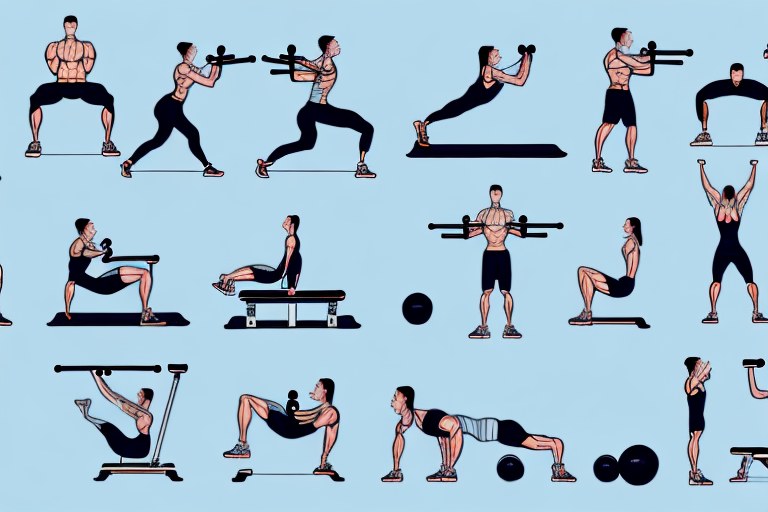
Functional Training 101: What You Need to Know for a Healthier Life
Functional training focuses on exercises that mimic everyday activities, helping to improve overall body mechanics, strength, and flexibility. This training methodology is designed to enhance your physical performance by targeting multiple muscle groups and joints simultaneously. Unlike traditional workouts that often isolate specific muscles, functional training integrates movements that people commonly perform in daily life, such as squatting, lifting, pushing, and pulling. By incorporating these movements into your fitness routine, you not only build strength but also increase your body's efficiency in completing daily tasks, leading to a healthier, more active lifestyle.
Adopting a functional training regimen offers numerous benefits for your health and well-being. Here are some key points to consider:
- Injury Prevention: By strengthening stabilizing muscles and improving coordination, you reduce the risk of injuries in both exercise and everyday activities.
- Improved Balance and Stability: These workouts enhance core stability, leading to better balance and posture.
- Versatility: Functional training can be tailored to any fitness level, making it accessible for everyone.
- Enhanced Performance: Whether you’re an athlete or just looking to stay active, these exercises improve your performance in sports and recreational activities.
Incorporating functional training into your fitness program can significantly impact your overall health, making it a valuable component for anyone looking to lead a healthier life.
7 Reasons Why Functional Training Beats Traditional Workouts
Functional training has gained significant popularity over the years, and for good reason. Unlike traditional workouts that often isolate individual muscle groups, functional training focuses on movements that mimic daily activities, enhancing overall body mechanics. This type of training helps improve strength, balance, and coordination, which are essential for everyday tasks. Here are seven compelling reasons why functional training beats traditional workouts:
- Enhanced Real-World Strength: Functional training emphasizes compound movements that engage multiple muscle groups simultaneously, making it more effective for building real-world strength.
- Injury Prevention: By developing stability and joint strength, functional training can significantly reduce the risk of injuries that could arise from everyday activities.
- Increased Flexibility: Many functional exercises include a full range of motion, improving flexibility and mobility.
- Efficient Use of Time: With the ability to target several fitness aspects in one session, functional workouts often require less time than traditional, isolated routines.
- Customizable Routines: Functional training can easily be adapted to fit any fitness level or specific goals, offering personalized workouts.
- Engagement and Variety: The variety of exercises keeps workouts interesting and challenging, reducing the likelihood of boredom.
- Holistic Health Benefits: By improving overall functionality and fitness, this training style enhances quality of life, making daily activities easier and more enjoyable.
Is Functional Training Right for You? Find Out Now!
Functional training focuses on exercises that mimic everyday movements to improve overall strength and flexibility. If you're someone who values practical fitness that translates into daily tasks—like lifting, bending, or climbing—you may find this training approach especially beneficial. Unlike traditional workouts that often isolate muscle groups, functional training engages multiple muscles at once, creating a comprehensive workout experience that can enhance your physical capabilities.
Before deciding if functional training is right for you, consider some key questions:
- What are your fitness goals?
- Do you prefer varied workouts that keep things interesting?
- Are you recovering from an injury and looking for a gentle yet effective way to reintroduce movement?